












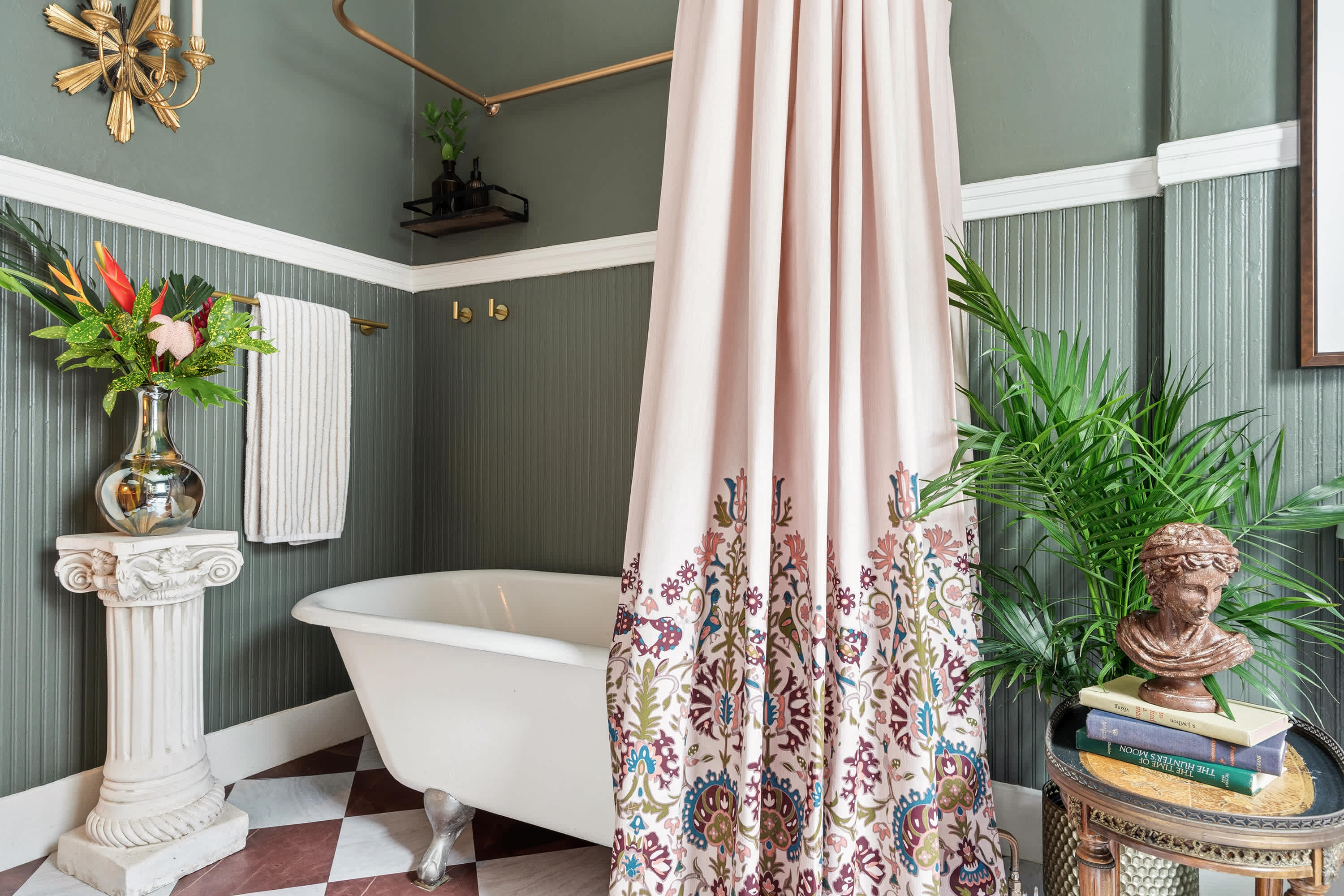





Architecture and Neurodivergence: Designing for Different Ways of Perceiving Space

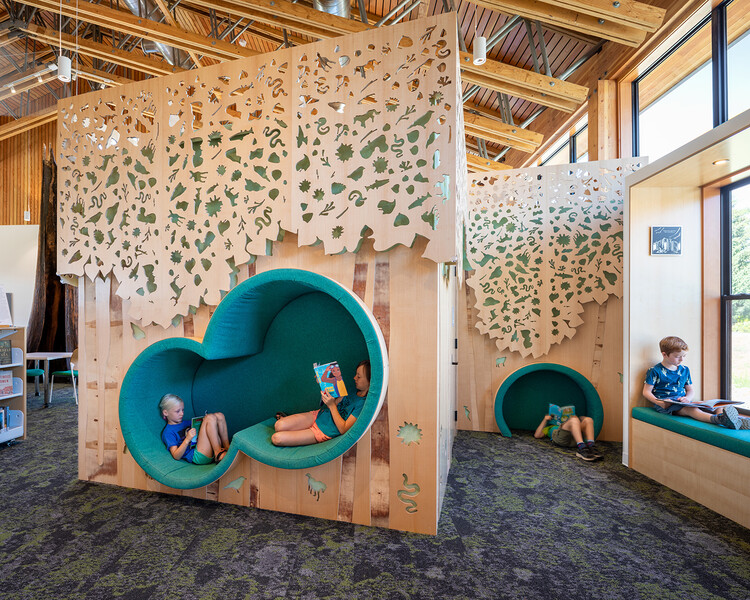
Wide doorways, properly designed ramps, and elevators are essential to a building's accessibility. But whether people can actually use its spaces also depends on the sensory conditions they offer. For some neurodivergent people, this is critical, as bright lights, overlapping sounds, or confusing circulation routes can prevent them from staying in a space and participating in activities.