
.jpg)







Surrane Design uses "stages of the rice plant" to tone Thai restaurant in New York
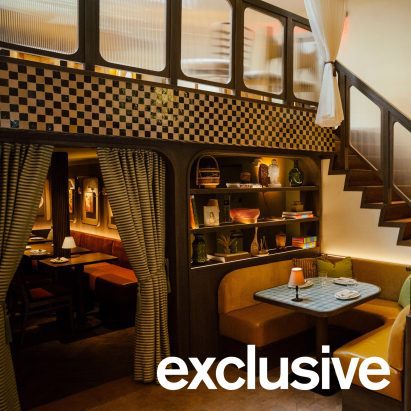
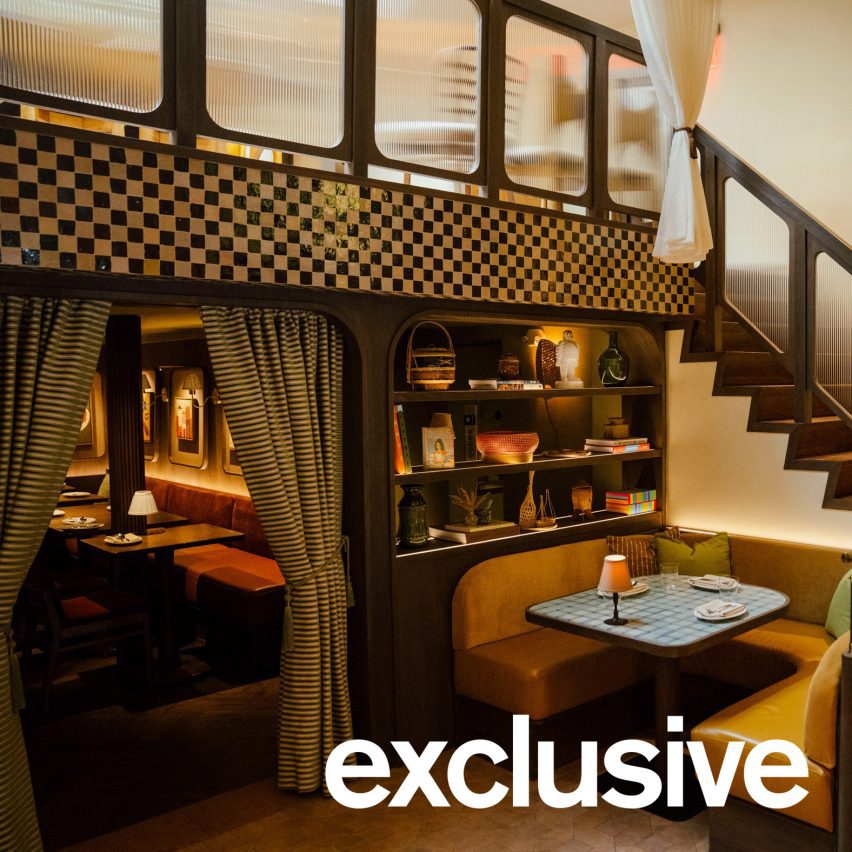
New York studio Surrane Design has outfitted Thai restaurant Hommali in New York with a terracotta floor, a central "courtyard" space and personal items of the founders to create a space that resembles a traditional Thai house.
Hommali is located at the edges of New York's West Village neighbourhood and was founded by Bangkok natives chef Chattchakorn "Benz" Khajornchaisan, general manager Kritayanee "Air" Promsarin and operations lead Pichalak "Picha" Srigungvarl after they moved to New York City and met in the hospitality scene.
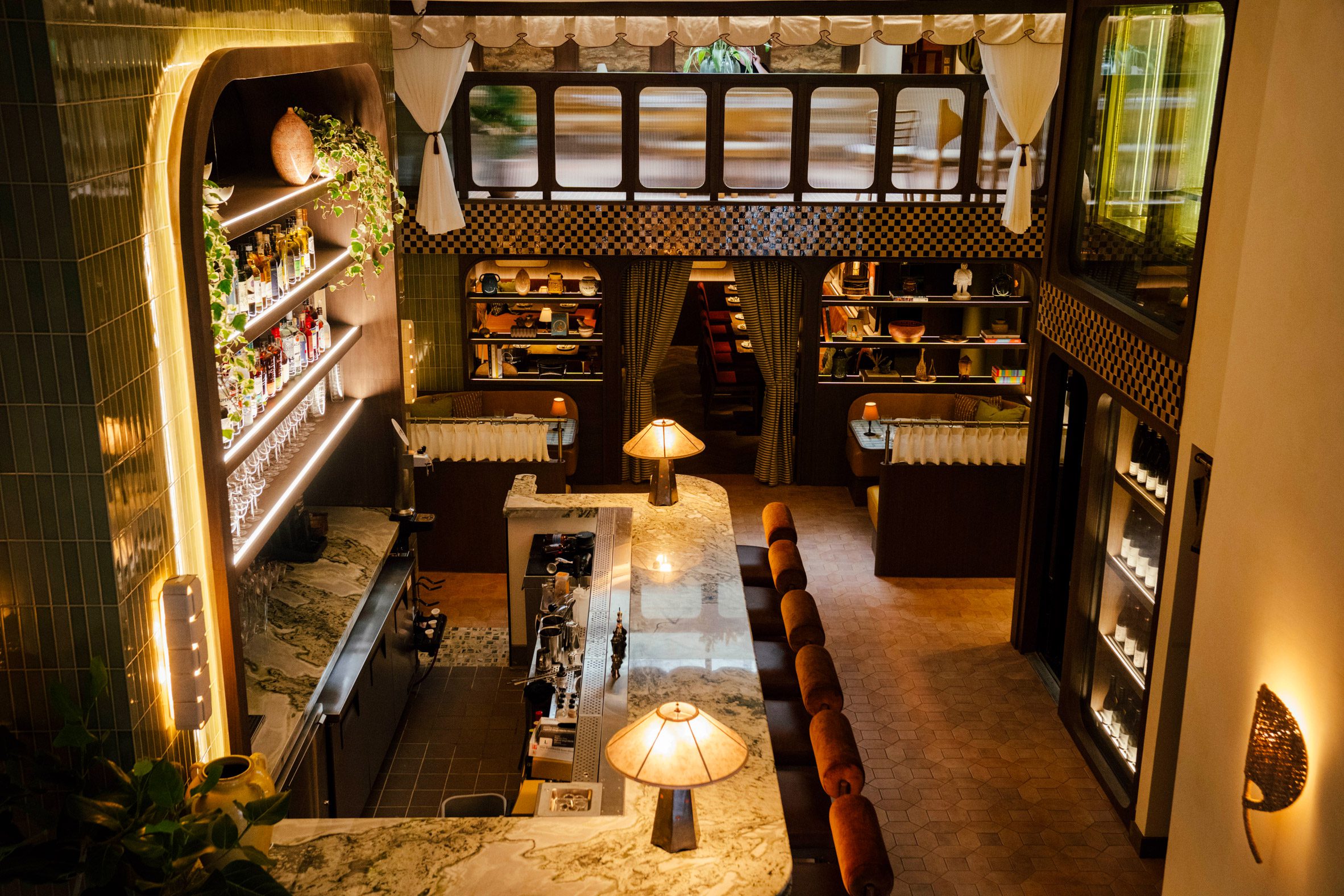
The restaurant contains an eight-seat bar, a 20-seat dining den, a semi-private mezzanine and auxiliary spaces such as a wine room and dry-age room where ducks and other ferments are on display.
Surrane Design layered the space with a rich assortment of textures and patterns, such as dark wood millwork, a marbled bar top and artwork sourced from Bangkok's Chatuchak Weekend Market.
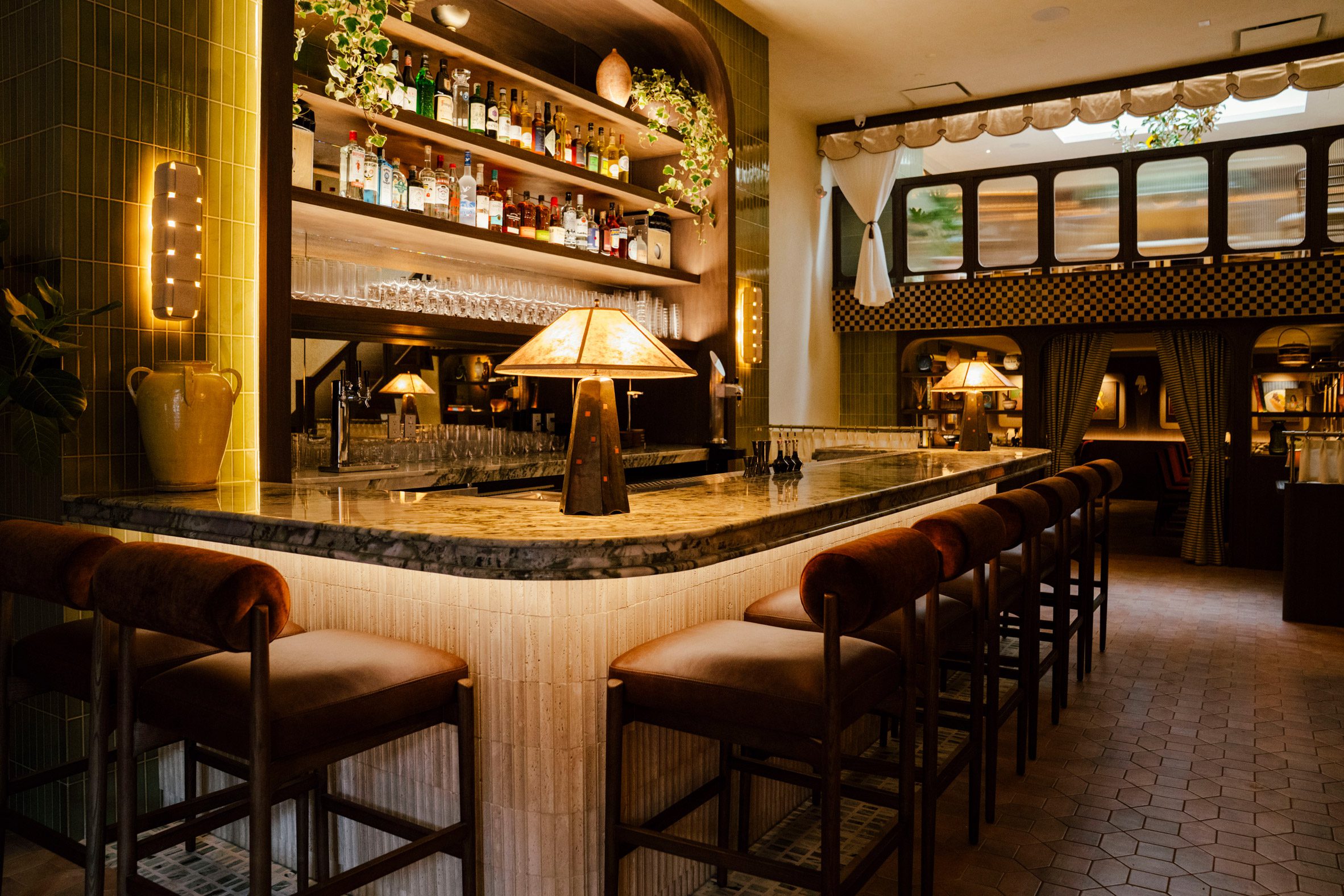
According to the team, its palette of browns and greens was informed by the life cycle of a rice plant.
"The color palette is inspired by the stages of the rice plant: fresh green for young leaves, golden yellow for mature stalks, earthy brown for paddy soil, soft beige for rice husks, and warm cream white for polished rice," said the team.
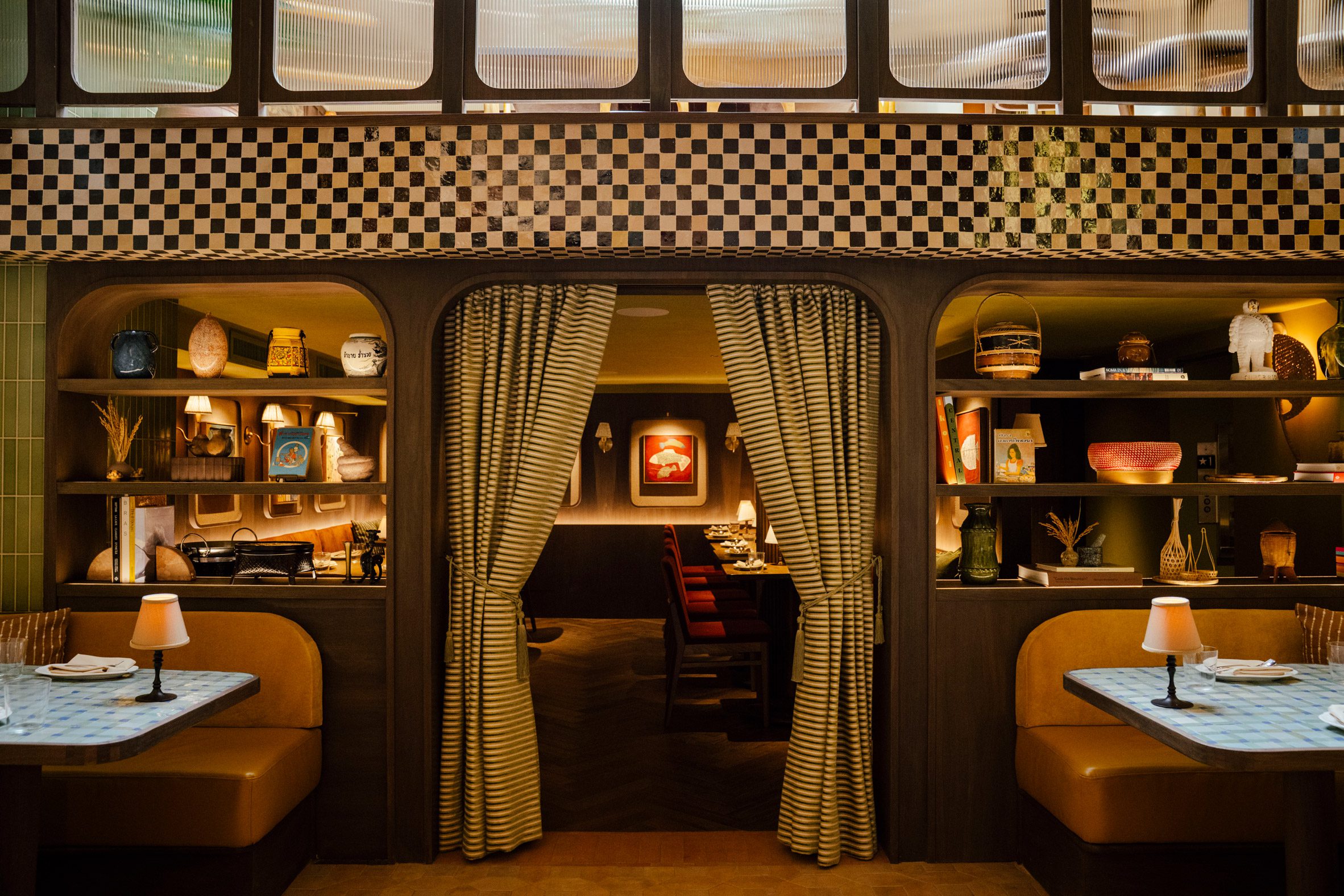
It was designed to resemble a traditional Thai house, where the central dining den and mezzanine above recall a courtyard, and the terracotta floor also calls to the vernacular architecture of the country.
Visitors are greeted with a rice plant light installation at the doorway and enter by the bar, which is clad in a sandy fluted tile with seats upholstered in leather and velvet.
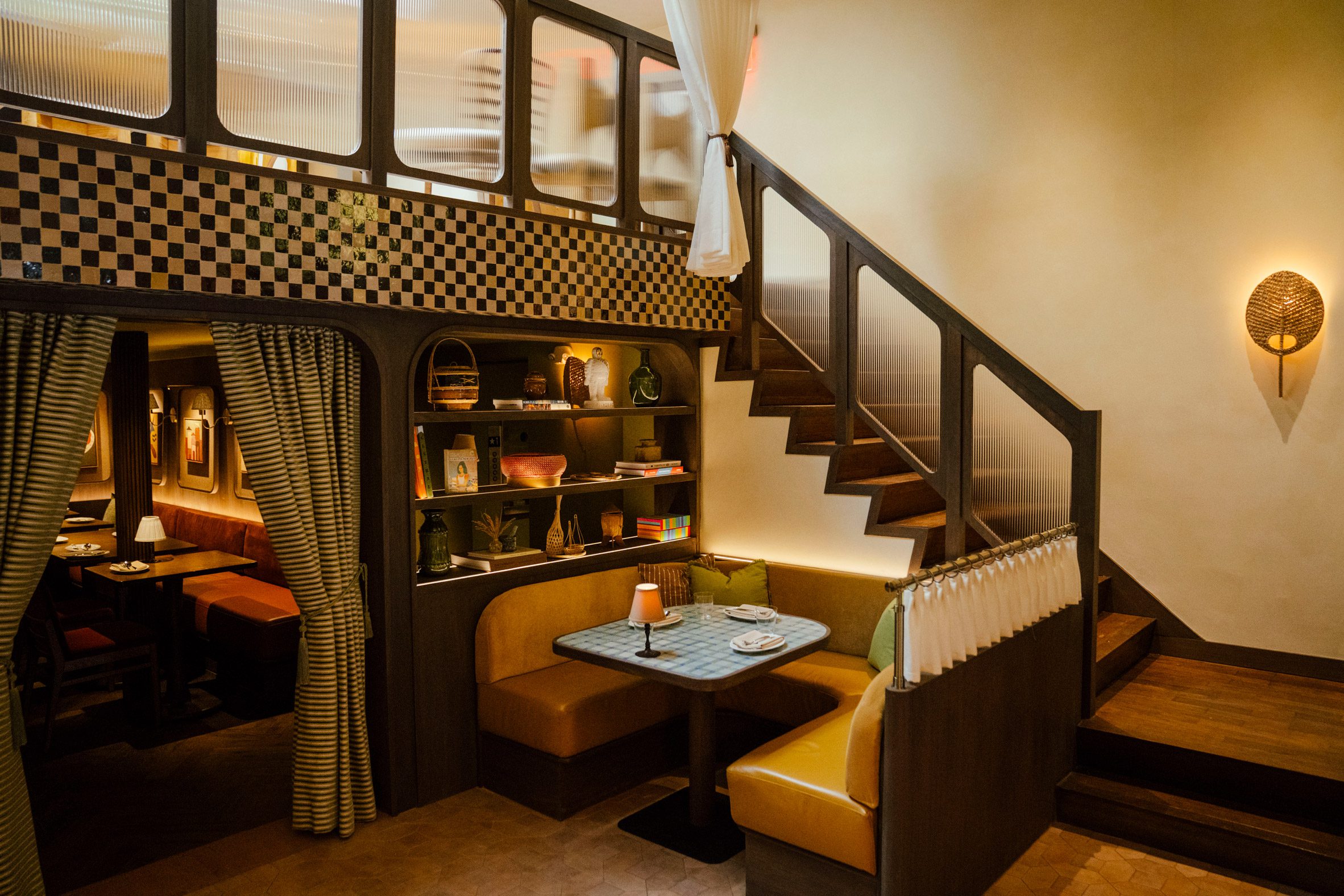
Two booths sit in front of the main dining space, which is tucked beneath the mezzanine. Curtains and open shelving separate the two spaces.
Personal items from the ownership team, such as vintage Thai cookbooks from the late 1960s and early 1970s and other objects "one would expect to find in a living room" line the shelves. Small bamboo sculptures by Thai artist Korakot Aromdee are also peppered throughout the space.
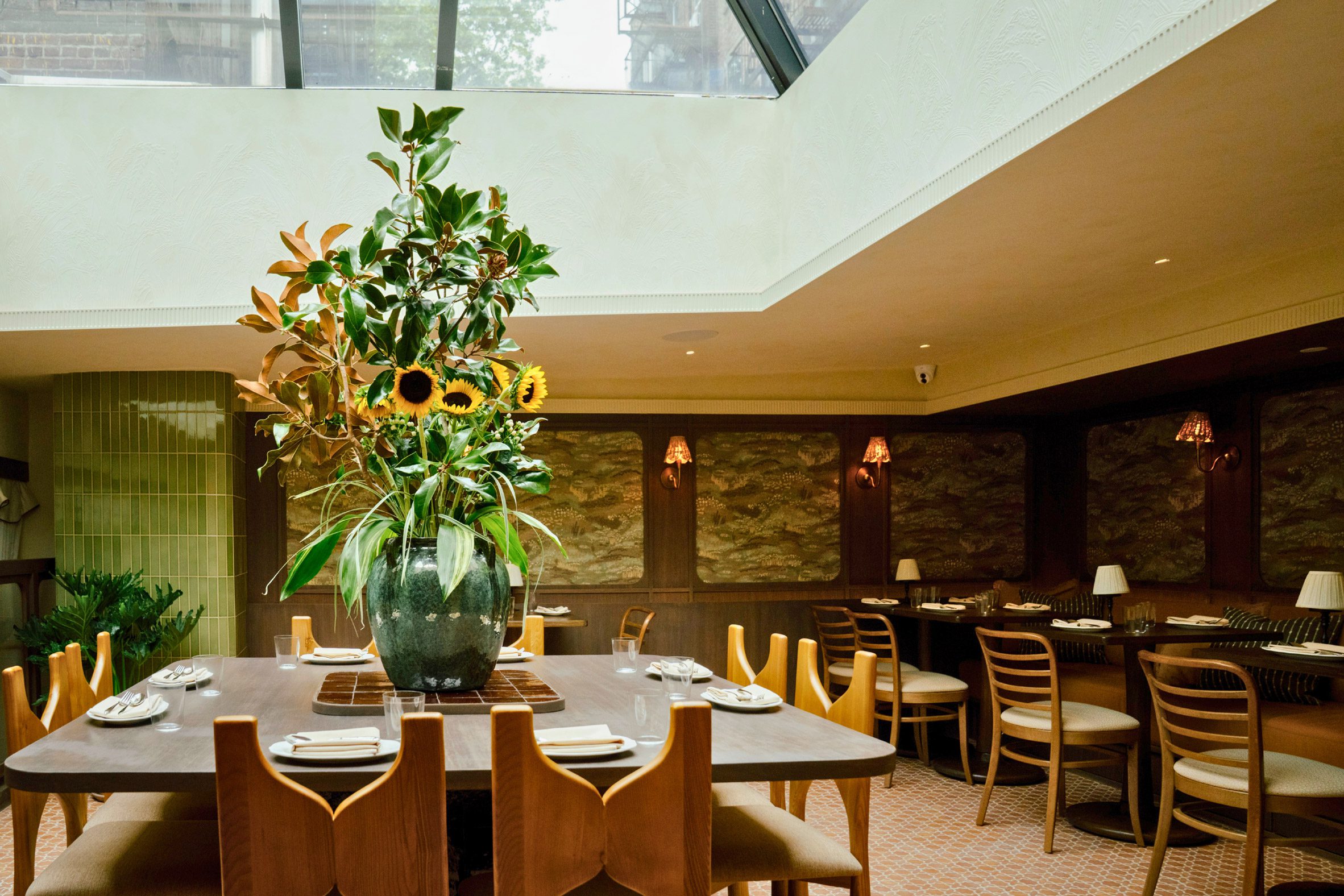
Wood-lined stairs lead to the mezzanine above, which contains additional seating concealed behind a frosted glass railing. A large skylight hangs above the space and sits over a large dining table. Banquets and an off-white white wallpaper embossed with 3D-printed plants also line the space.
Like below, a curtain can be drawn across the length of the space to provide additional separation.
Hommali will serve contemporary takes on traditional Thai dishes created under Benz, such as a seafood cocktail with razor clams imbued with the hot and sour notes of tom yum and the Tomato, "a michelada-meets-spritz with a Singaporean rice wine base accompanied by a Thai chile tincture."
Surrane Design is an independent design studio based in Brooklyn by partners Bud Nitaya and Yoon Her.
Other recently opened spaces in the West Village include Love Thy Neighbour next to The Stonewall Inn and The Cherry Lane Theatre
The photography is by Hommali
The post Surrane Design uses "stages of the rice plant" to tone Thai restaurant in New York appeared first on Dezeen.