







Sam Venis documents infrastructure at "political experiment" Próspera in Honduras


Brooklyn-based writer Sam Venis has photographed "charter city" Próspera, a semi-independent community in Honduras, where UK studio Zaha Hadid Architects has designed upcoming buildings.
So far, the images show only a few new buildings on the site, which includes two sections on the island, one relatively undeveloped and another preexisting resort – both owned by the Próspera organisation.
Próspera is, by its own description, a "startup zone with unique laws, regulations and taxes", with physical infrastructure being built on an island called Roatán off the East Coast of Honduras.
It has been referred to as a "charter city", which are developments granted special jurisdiction to develop new governance systems.

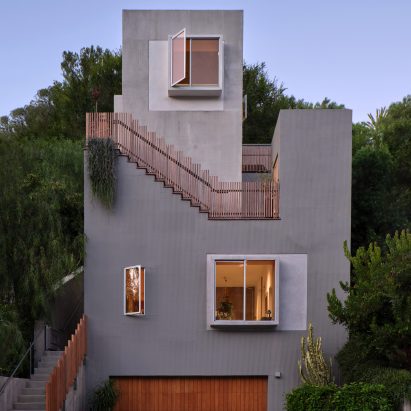
Currently, on the island, there are several newly built structures in what's called the Beta District, the relatively undeveloped site.
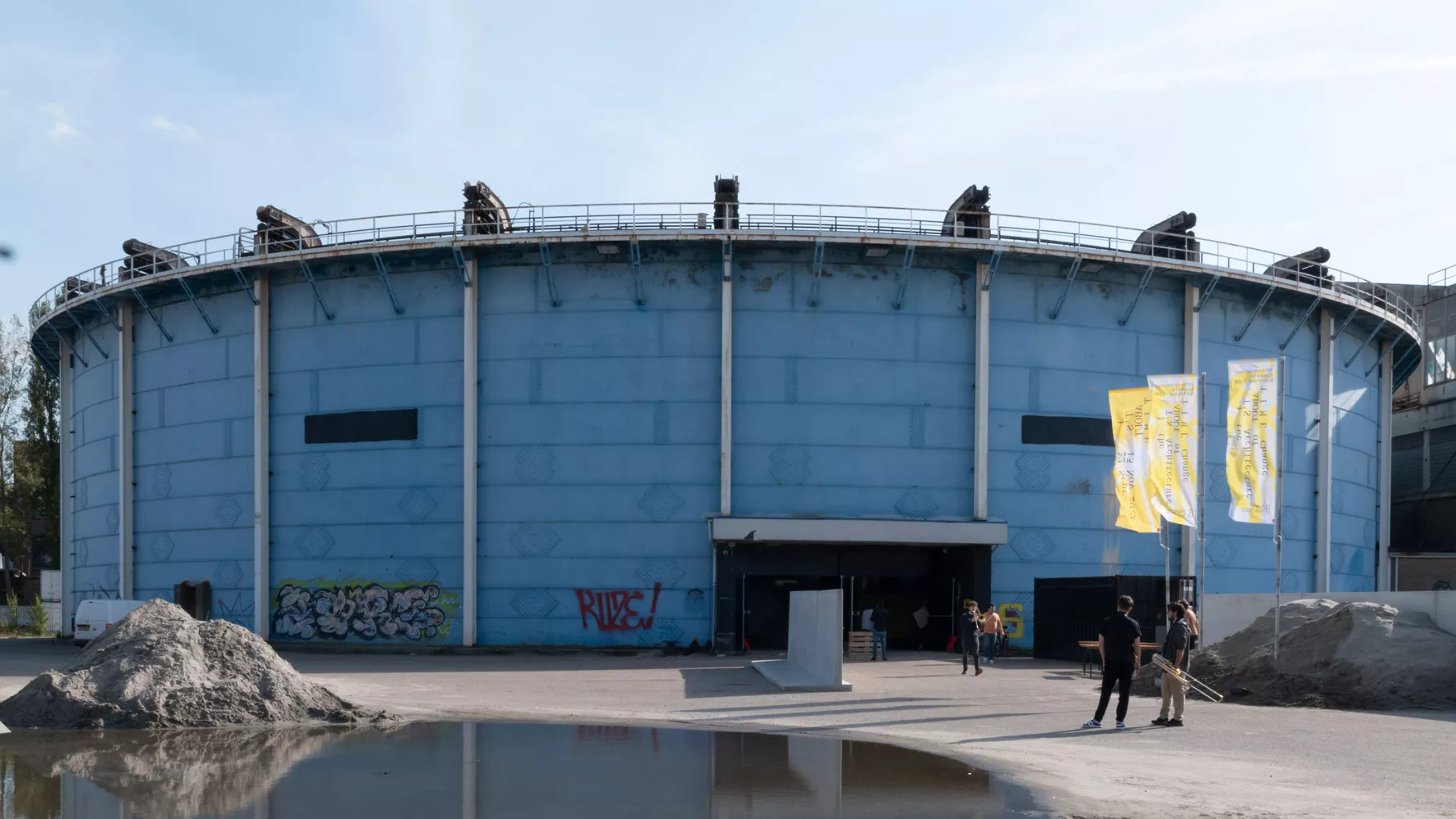
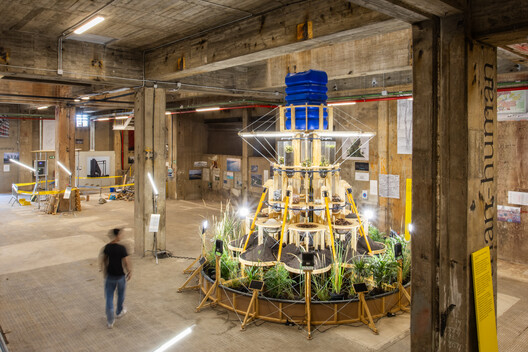
These include a 14-storey apartment building and a Beta Building for offices, designed by Guatemalan studio Taller Aca, and a Circular Factory designed by Max Medina of Mexico-based Lava Architects.
This factory includes advanced CNC robotic arms similar to those found in car factories that can mill specialised woods.
A representative from Próspera said that these implements would be used to construct a planned Zaha Hadid Architects (ZHA)-designed hospitality and residential structure for the Pristine Bay resort portion of the community.

Próspera Roatán exists as a "special economic zone" that operates slightly separately from the rest of Honduras.
"The broadest definition is that it's a political experiment – a kind of privatised imperialism that genuinely sees itself as a way to improve governance in places where democracy is weak," Venis told Dezeen.
He added that a recent, contested presidential election has potentially opened up the way for the organisation to expand through Zones for Employment and Economic Development policy (ZEDE), which was targeted by the outgoing administration and the courts.

The city exists as a sort of tech-hub operating within the laws of the country while slightly outside of it, setting local codes such as those for building.
"I’d been fascinated by the concept of network states, because I could see that, in a post-Covid, hyper-crypto world, with so much political dissatisfaction and so much new money sloshing around, something new was going to emerge," Venis said.
"The relative power imbalance between tech people and state governments was just too large, so it was inevitable that the tech people would start exercising that power."

The Honduras property is the first, with plans to expand to the mainland, as well as to other regions.
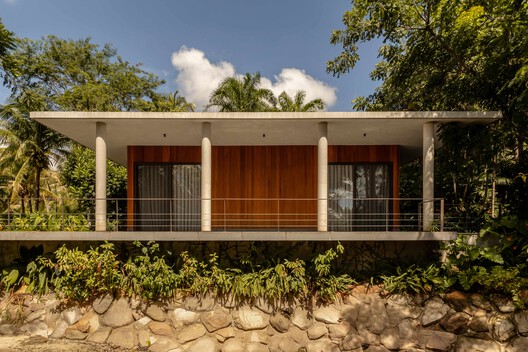
Lava Architects' Medina has already used the products from the Circular Factory to construct a series of cabins on the site that Venis described as "island-chic modernism".
The apartment building will be expanded into a four-tower complex, and additional industrial and residential buildings are planned for the Beta District.
North Carolina-based studio prefabricator Nomad Homes is already at work building one of its black-steel "accommodations for the modern nomad" on the site, as well as additional residential structures by Taller Aca.

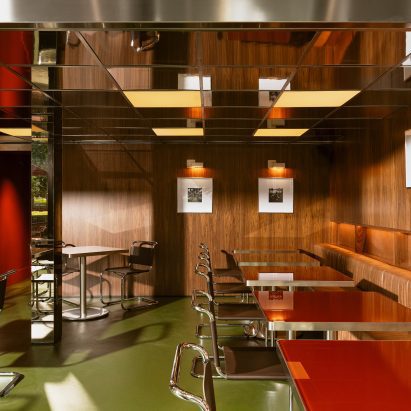
The ZHA structure will be located in the resort portion. Próspera also plans to build additional dwellings there, but more in the Mediterranean style to better match the existing buildings.
One element in the resort has been converted into a Bitcoin Center that offers education in cryptocurrency.
Now that the political gridlock and indecision about the fate of ZEDEs in general may clear, development may expand on the property. However, Venis said the from-scratch district is impractical.

While promotional images for the nascent start-up city show families staring out over high-tech neighbourhoods, Venis said conditions on the ground are still relatively roughshod.
"At this point, Próspera is completely impractical on all those levels. There's no direct road between the two sides of the property, so if you're staying in Duna you're completely landlocked, and you have to drive 20 minutes out of the way, along bumpy dirt roads, to get anywhere," he said.
Próspera representative and architect Gloria Morazán told Dezeen that Próspera is aiming for density with the Roatán properties.
She said that they plan to continue building, and mentioned other Latin American planned developments, such as Guatemala's Ciudad Cayala, as references for how to achieve this density.
However, Venis believes they may struggle to achieve this, as the urbanism itself is geared towards "digital nomads".
"I think these places will become more substantial over time, as they nail their product-market-fit," Venis said. "But they're all struggling to attract 'citizens,' because who would want to live in Prospera when you can live in New York City?"
"The very phenomenon that's creating opportunity for places like Prospera – a new class of rootless cosmopolitans – is also its biggest limitation. These people don't want to settle down, that's why they're rootless."

While the current anti-ZEDE Libre administration lost power in the last election, some Hondurans have claimed the election was fraudulent.
In late November, Trump pardoned former Honduran president Juan Orlando Hernández, who was in prison in the US on drug trafficking charges. It was under Hernández's administration that Próspera acquired land and broke ground on Roatán.
Próspera fits into a broader trend of special economic zones – earlier this year, Dezeen spoke to scholar Quinn Slobodian, who discussed what this might mean for our cities.
Elsewhere, groups of US investors have reportedly broached the idea of building a Freedom City, a similar charter model, in Greenland.
The photography is by Sam Venis.
The post Sam Venis documents infrastructure at "political experiment" Próspera in Honduras appeared first on Dezeen.