





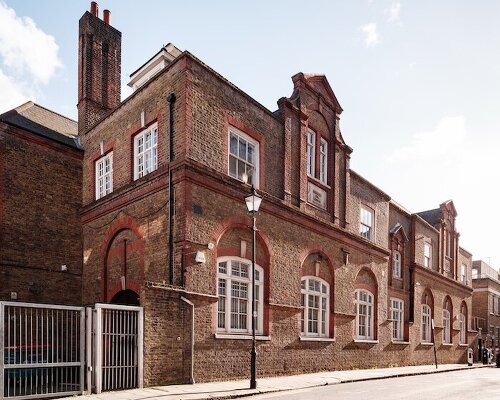

Residential architecture is getting more playful says Kevin McCloud
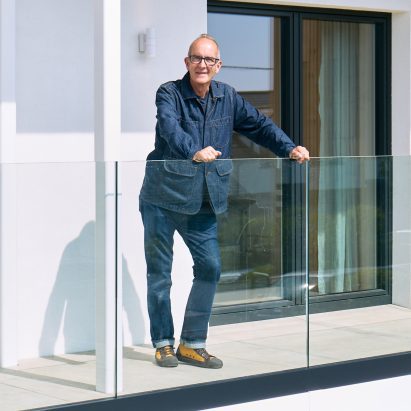
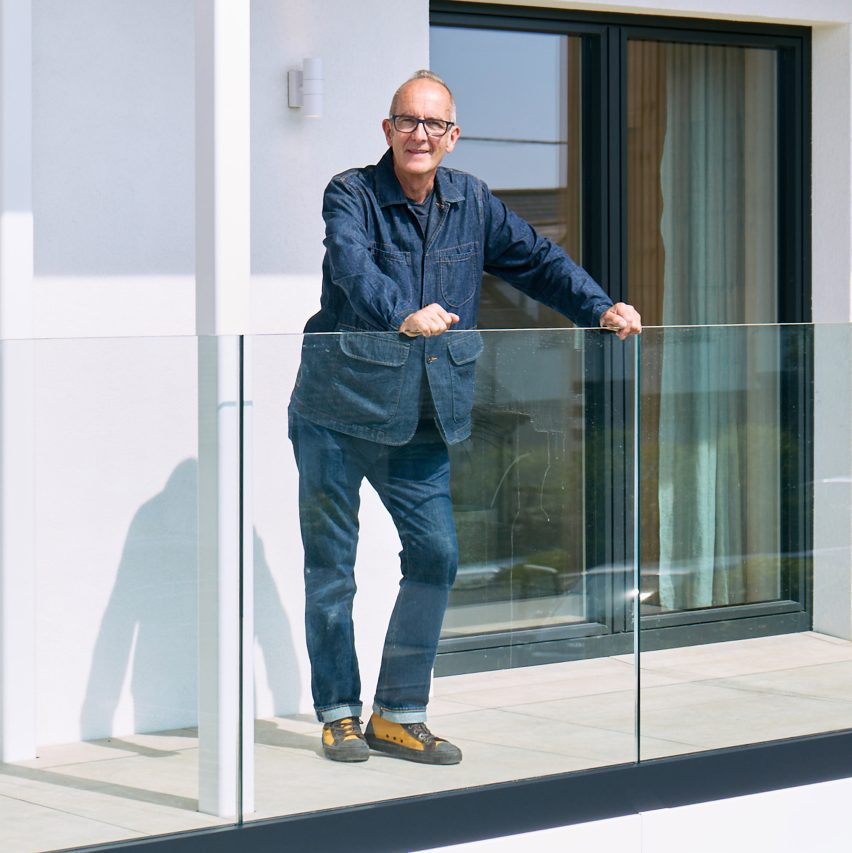
TV show Grand Designs is still going strong after 27 years. In this interview, the show's host, Kevin McCloud, considers how British architecture has changed over that time.
First aired in 1999, Grand Designs follows the self-build projects of individuals and families creating their dream homes, through the highs as well as the lows.
Having been the programme's presenter from the beginning, McCloud has long been a household name in Britain – and arguably the country's most recognisable name related to architecture.
"Everybody's got a bit more relaxed"
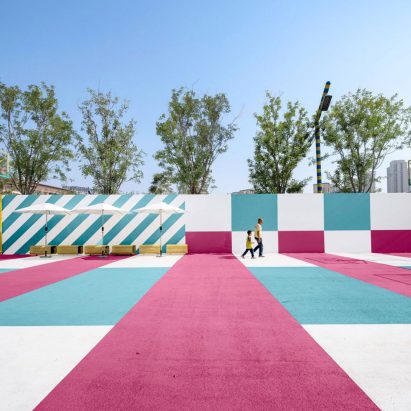
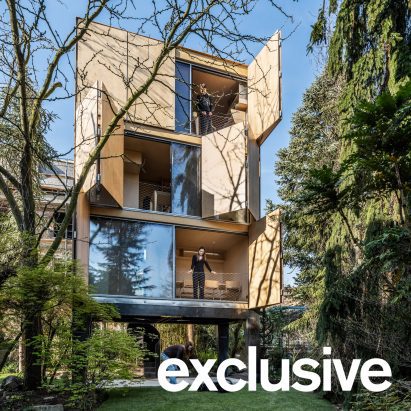
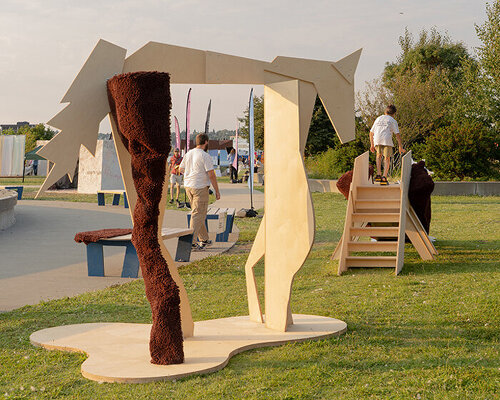
Sitting down with Dezeen as the latest series got underway, he reflected positively on the rise of "playful elements" in the UK's domestic architecture.
"I think that's perhaps the best thing of all," he said.
"That in architecture now, after the very earnest early 21st century years of digestion and reflection and the sorting and filtering of ideas in the 20th century, we seem to have actually calmed down a bit. Everybody's got a bit more relaxed."
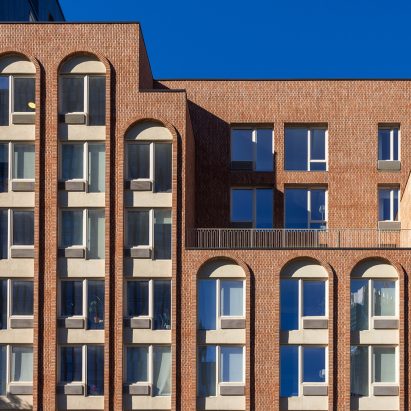
In particular, McCloud referenced a steady return to constructing arches in homes – an age-old architectural motif that has proven especially popular in recent years.
"An arch can soar and it's a vault, but it also actually plunges down and helps ground," he said. "So I think as a device, it's intriguing to see it back."
"There's a sense of playful interweaving of sustainability and history and even of archaeology into buildings, which I'm really enjoying right now."
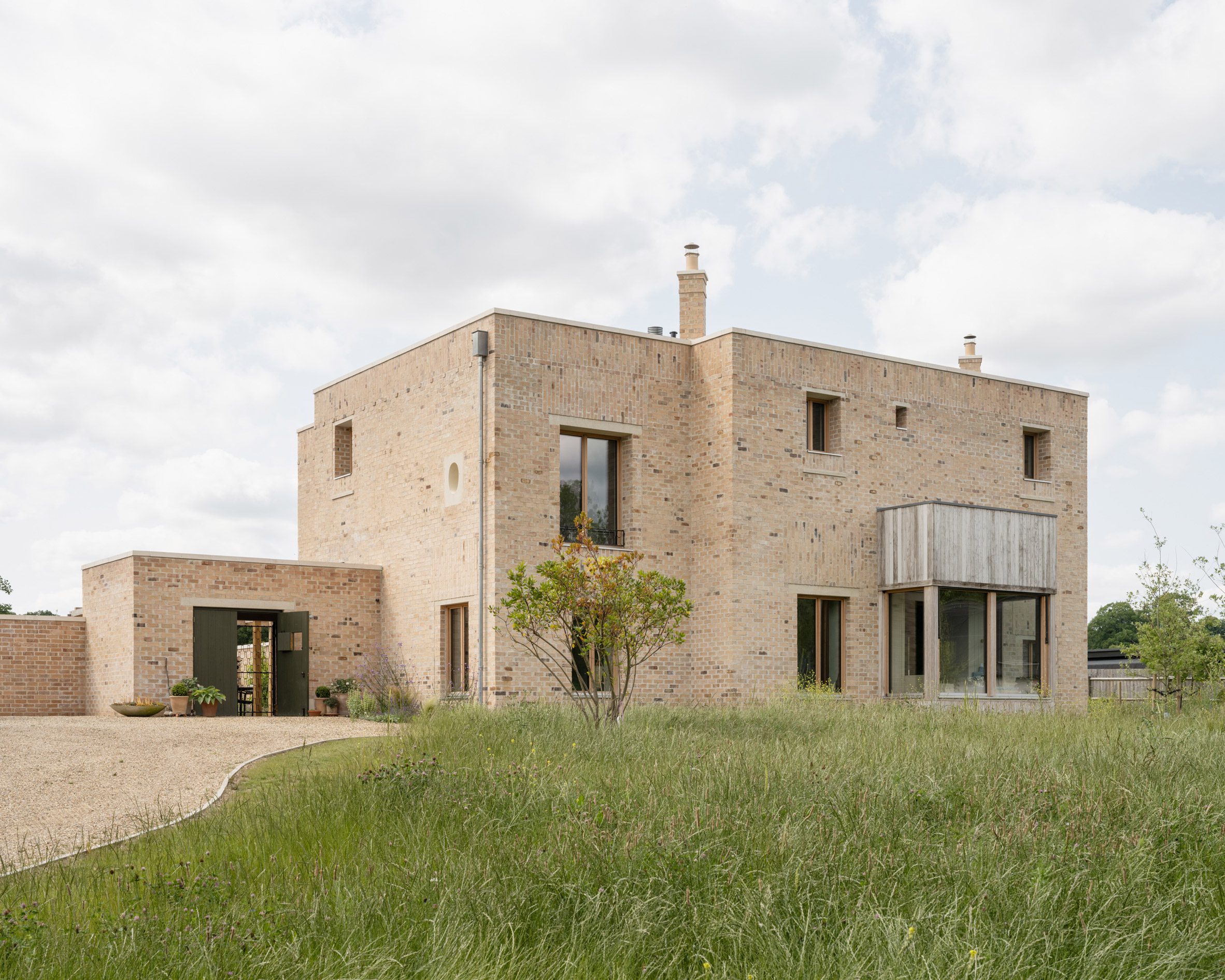
His comments are an interesting contrast with much of the discourse around this year's shortlist for the Stirling Prize, which rewards the best new building in the UK.
Some commentators have cast the lineup, which features five brick-built buildings, as uninspiringly samey.
But McCloud takes the longer view.
"I take it all with a pinch of salt," he said. "Every time there's a utility building or a house or housing scheme on the shortlist, people say it's got really boring, and then 10 years later look back and think, actually it's really cool."
Also giving McCloud cause for optimism is what he sees as "a renewed interest in carbon, as opposed to just sustainability".
"Sustainability is a big blanket term," he said. "But I visit many projects now that are interested in using biodiversity and land management, and the sequestering of carbon into soil through planting and through trees, in a measured way, to then balance the carbon impact of building."
McCloud seeing "new wave of interest in saving buildings"
Linked to that is his sense that communities are increasingly voicing support for buildings under threat from demolition, regardless of their architectural style.
He cites the example of the 1960s Shirehall in Shropshire, a modernist, council-owned office building that is currently up for sale.
"It's perfectly fit for use, but the council wanted to get rid of it," argued McCloud, who has said that the building is at risk of being transformed into homogeneous developer-designed housing.
"This new wave of interest in saving buildings came about partly because of issues around carbon and partly because of issues around heritage, and importantly, the more social issues," he said.
"I think there's been a kind of democratising of heritage over the past 10 years, which has seen local community groups starting to fight for stuff they love from whatever period."
As well as his work on Grand Designs, McCloud is also known as a vocal campaigner on housing, arguing for more social housing and higher standards.
He expressed tentative hopefulness that recent changes to England's National Planning Policy Framework will lead to some improvements – while suggesting there is much more to do.
"There's a word that's still missing from planning policy, and that's the word quality," said McCloud.
"It's a really tough ask to get design quality into social housing. Getting that one word out of politicians' mouths would be just so good."
"But if it's just about numbers, which is all it's been for the past 50 years, then forget it."
For McCloud, achieving quality British housing does not require anything groundbreaking. He spoke of a necessity for space, storage, and a strong connection to the outdoors.
McCloud also stressed that architects must be trusted to take ownership of their roles in a built environment too often dominated by profit-centric, developer-led designs.
"Allowing architects to do what they do really well, wouldn't that be lovely?" he mused.
"Fundamentally, just relying on people who are really good at their jobs being allowed to do their jobs."
Dezeen In Depth
If you enjoy reading Dezeen's interviews, opinions and features, subscribe to Dezeen In Depth. Sent on the last Friday of each month, this newsletter provides a single place to read about the design and architecture stories behind the headlines.
The post Residential architecture is getting more playful says Kevin McCloud appeared first on Dezeen.