




















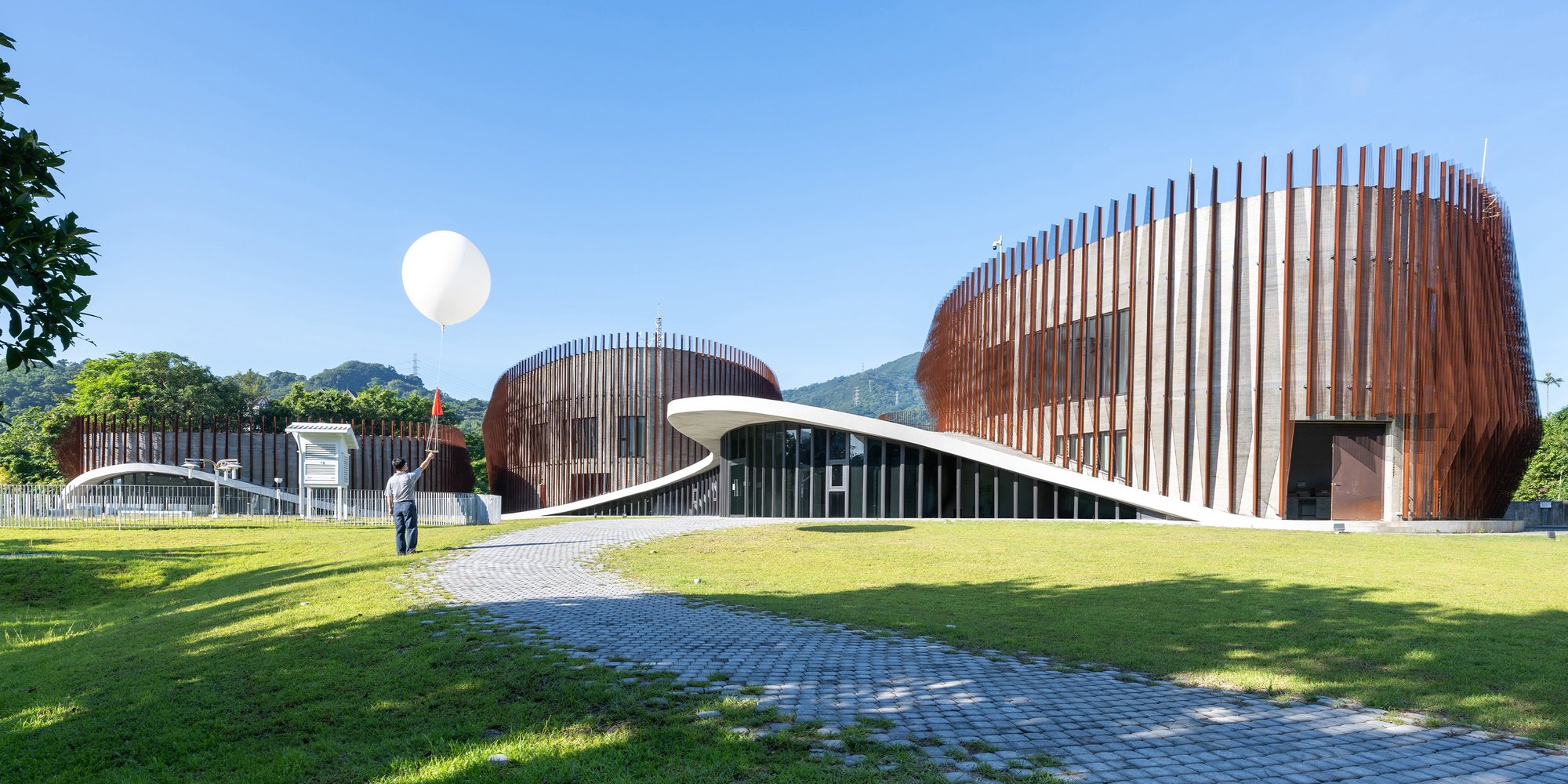

From Hiding to Civic Presence: How Wastewater Plants Entered the City

When London's main drainage was completed north of the Thames in 1868, the Metropolitan Board of Works marked the occasion with a banquet held inside a sewage pumping station. Abbey Mills had been built over the previous three years by the engineer Joseph Bazalgette, working with the architect Charles Driver, laid out on a cruciform plan with eight beam engines, two on each arm. Its style has been read as Byzantine, Italian Medieval, Russian, Ruskinian Gothic and Moorish, and its twin ventilation chimneys, richly ornamented, rose more than sixty meters. The builder called it an elegant structure in a swamp and thought it might pass for a mosque or a temple.