








Fragile by Design: How Can Buildings Be Designed to Outlast Their First Purpose?

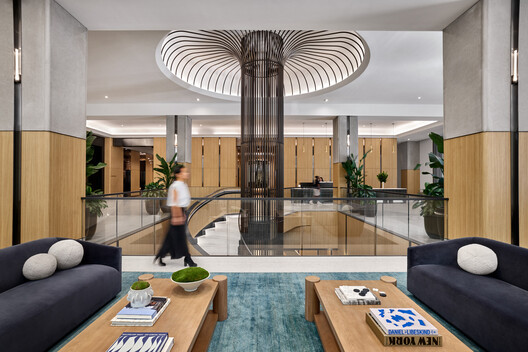
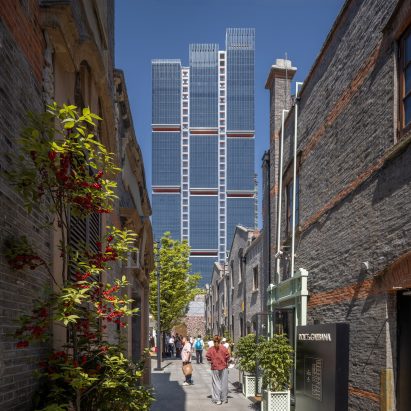
 Recognizing New York City’s housing shortage and surplus office space, Vanbarton Group engaged Gensler to convert an aging downtown office tower into a 588-unit residential building with extensive amenities. Five new floors were added, and upgrades to the façade, insulation, and operable glazing improved building performance. By reusing the existing structure, the project saved an estimated 20,000 metric tons of embodied carbon and now exceeds local 2030 energy targets. Image © Garrett Rowland, Courtesy of Gensler
Having explored adaptability at the city scale, we are now zooming in on the building itself—and, crucially, on practice. How can architects, developers, and consultants embed adaptability as a measurable, mainstream outcome? This question will be on the agenda at the Adaptable Building Conference (ABC) on January 22 at the Nieuwe Instituut in Rotterdam, where architects, engineers, policymakers, and industry leaders will explore the potential of adaptable buildings—and how to deliver them at scale.