





















America's "greatest architect" Frank Gehry dies aged 96

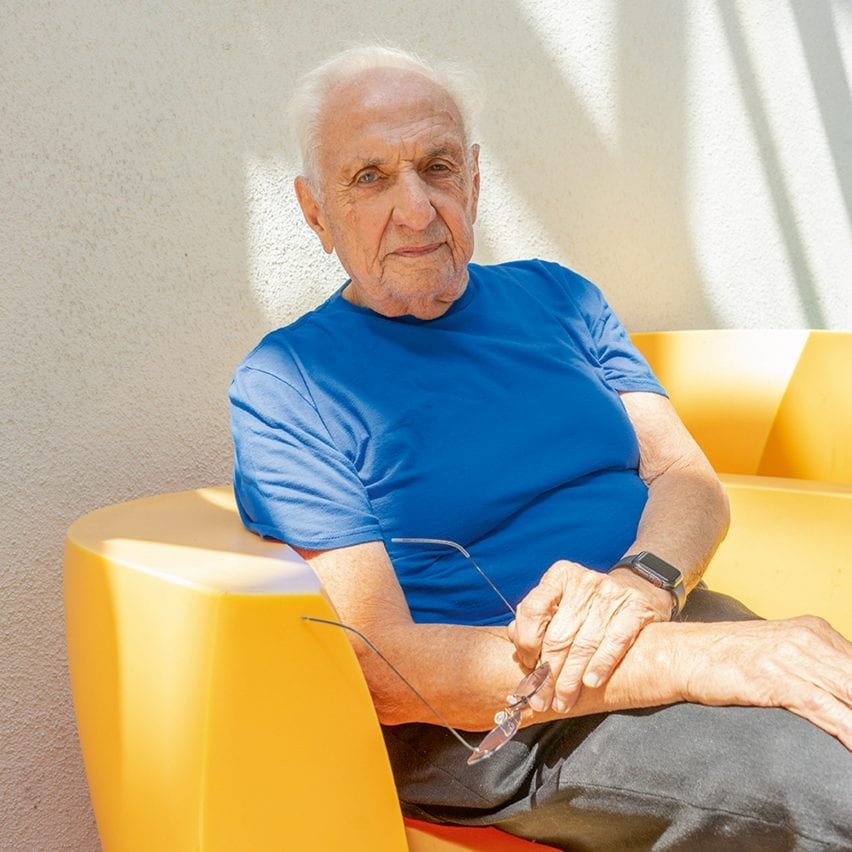
Canadian-American architect Frank Gehry, known for his deconstructivist Guggenheim Museum Bilbao and Walt Disney Concert Hall in Los Angeles, has died aged 96.
Gehry, whose death was confirmed by his chief of staff Meaghan Lloyd to the New York Times, was one of the world's most well-known architects, practising architecture and design for nearly eight decades and defining post-war architecture in the United States and globally.
He was awarded the Pritzker Architecture Prize, architecture's highest honour, in 1989 on top of dozens of other recognitions, including the AIA Gold Medal and the Presidential Medal of Freedom.

In his citation for the Medal of Freedom, former US president Barack Obama said that Gehry "spent his life rethinking shapes and mediums, seemingly the force of gravity itself".
"The idea of what architecture could be, he decided to upend, constantly repurposing every material available from titanium to paper towel tubes," said Obama.
"Frank's work teaches us that while buildings may be sturdy and fixed to the ground, like all great art they can lift our spirits – they can soar and broaden our horizons."
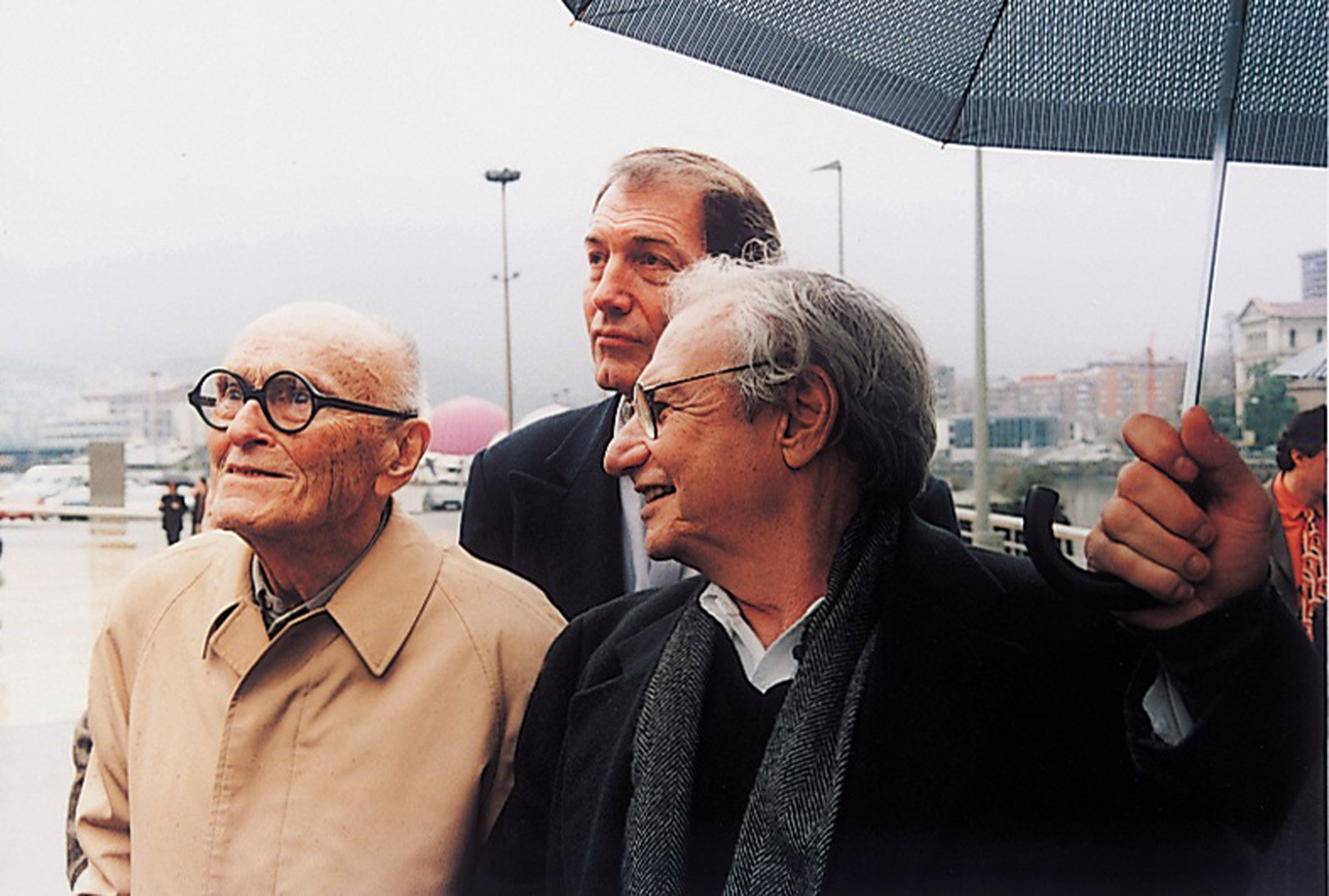
The citation for his Pritzker Prize compared him to Picasso.
"Always open to experimentation, he has as well a sureness and maturity that resists, in the same way that Picasso did, being bound either by critical acceptance or his successes," said the citation.
"His buildings are juxtaposed collages of spaces and materials that make users appreciative of both the theatre and the backstage, simultaneously revealed."
His studio, now called Gehry Partners, has designed numerous buildings, and his work in Bilbao has been credited with jump-starting the local economy – a phenomenon now called the "Bilbao Effect".
Philip Johnson called the Guggenheim Bilbao the "greatest building of our time" and Gehry "the greatest architect we have today".
He has often been described as both a starchitect and a practitioner of the deconstructivist style of architecture, though he distanced himself from both characterisations.
Though Gehry did not believe that he was a part of the deconstructivism movement, his work was part of a landmark 1988 MoMA deconstructivist exhibition alongside fellow architects Peter Eisenman, Zaha Hadid, Rem Koolhaas, Daniel Libeskind, Bernard Tschumi, and Wolf Prix.
Born in Canada, Gehry immigrated with his family to the United States in the late 1940s, and he attended the University of Southern California's School of Architecture.
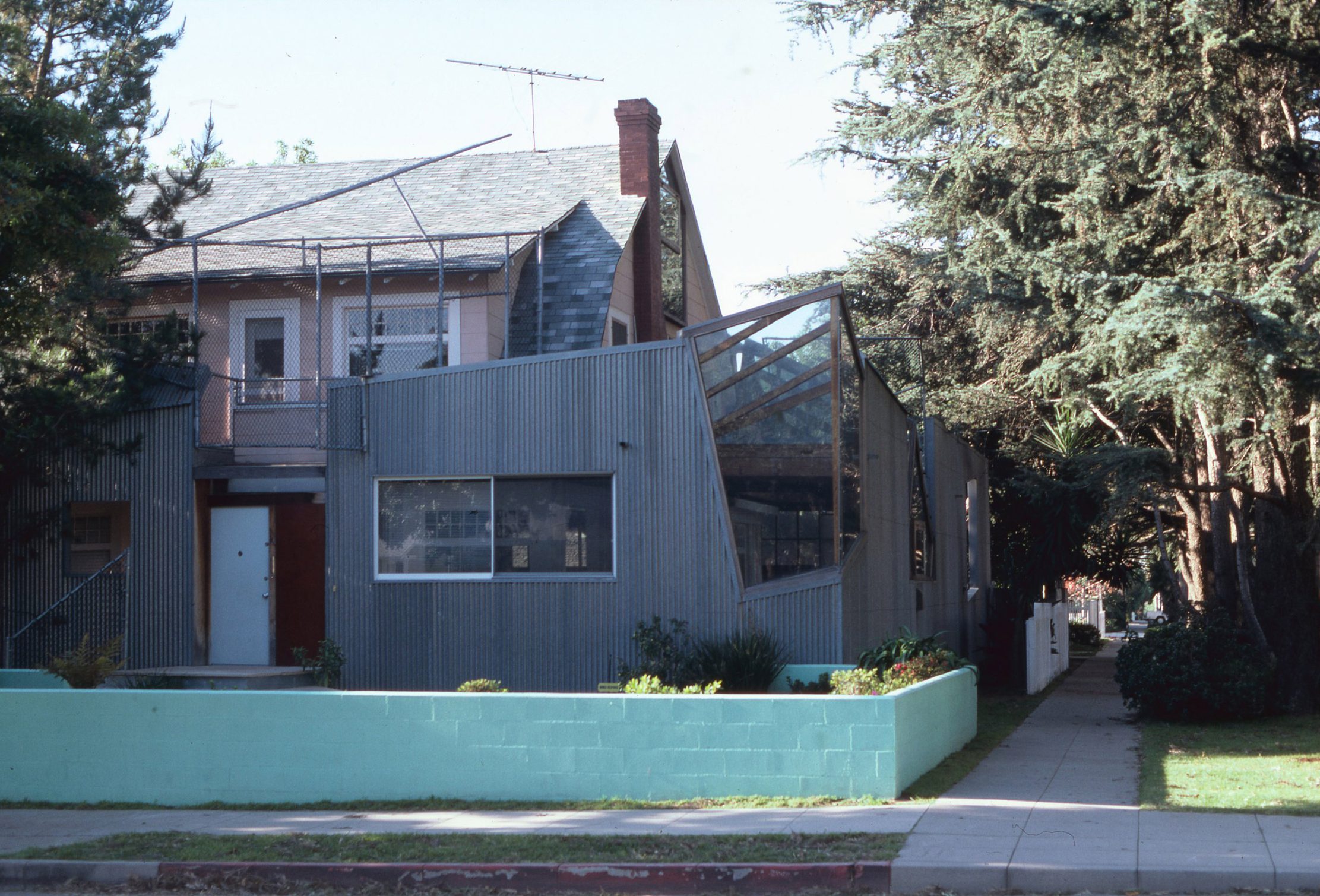
He first rose to prominence in the 1970s with the design of the now-iconic Gehry House in Santa Monica, which featured twisting, interlocking forms made with everyday materials such as a currogated metal and chainlink.

From there, Gehry's commissions proliferated. He designed the California Aerospace Museum in the 1980s and dozens of more high-profile museums throughout the 1990s and early 2000s.
These include the Museum of Pop Culture in Seattle, the Vitra Design Museum in Germany, and the Foundation Louis Vuitton in Paris.
He designed several residential buildings, including the expressive Dancing House in Prague, while his first skyscraper in New York was the tallest residential tower in the Western Hemisphere at the time of its completion in 2011.
True to his long-time home city, Gehry designed several buildings for entertainment companies, such as a recent headquarters for Warner Bros.

Beyond architecture, Gehry was also involved in furniture production, and his cardboard Wiggle chair is still considered one of the most innovative chair designs of the 20th century.
Even in his 90s, the architect was prolific, working on projects from residential complexes in downtown Los Angeles to watch and bag designs. His design for Guggenheim Abu Dhabi is scheduled to open later this year.
The post America's "greatest architect" Frank Gehry dies aged 96 appeared first on Dezeen.