








Ten must-read design and architecture interviews of 2025


This year Dezeen interviewed over 50 of the biggest names in architecture and design, along with a US congresswoman and even a prime minister. Continuing our Review of 2025, here are the best and most insightful interviews of the year.
With unprecedented access, we have sat down with many of the best-known and most interesting architects and designers over the past year, including Frida Escobedo, Carlo Ratti, Philippe Starck, Annabelle Selldorf and Faye Toogood.
These long-form interviews not only give an insight into their own work, but also their thoughts and opinions on the wider issues impacting the architecture and design professions.
If you are only going to read 10 interviews this year, these are the ones to read:

Frida Escobedo – "I don't believe in specialisation"
Mexican architect Frida Escobedo is currently working on two huge cultural projects – adding a new wing to The Met in New York and renovating the Centre Pompidou in Paris.
Speaking to Dezeen from her newly opened New York office, she explained the thinking behind the design of those galleries, along with her wider ethos.
"I'm wary of people who try to define themselves too much and to hyper-specialise; I don't believe in specialisation, I prefer to do things for the first time," Escobedo told Dezeen.
"I think that's why architecture is so wonderful, because even if you are doing, say, residential projects, each house is different. So you're doing it for the first time over and over."

Philippe Starck – "I was shocked" by dominance of luxury brands in Milan
At Milan design week, we spoke to arguably the world's most famous living designer, Philippe Starck, who warned of design's "dangerous slip to luxe".
Design is being taken over by "toxic" luxury trends, the French designer told Dezeen, reflecting on the strong presence of luxury brands at this festival.
"I was shocked this year at the shift from something [that] at the beginning was really democratic, it was really good design for everybody," he said. "And now I see the big danger, which is the fashionable trends, which is ridiculous."

Albanian prime minister Edi Rama – "We want love stories between architects and Albania"
In a first for Dezeen, we interviewed a world leader – Albania's prime minister Edi Rama, who revealed that he was a regular reader of the publication.
Rama, who has a strong knowledge of contemporary architecture, explained why the small Balkan nation is currently an unlikely hotbed of statement architecture.
"I am a big believer in architecture and the power of architecture to influence the way we live," he said.
"I think that for a country like Albania, good architecture is an uplifting presence – it's a source of extra energy for the society and for the way we envisage our future."

Dina Titus – Trump classical architecture mandates "undermine America's history"
Another political heavyweight we spoke to this year was congresswoman Dina Titus, who is spearheading Democratic attempts to counter US president Donald Trump's moves to make classical architecture "the preferred style" for civic buildings in the country.
US President Donald Trump is doing "what dictators do" by passing executive orders that prescribe classical architecture for federal buildings, congresswoman Dina Titus tells Dezeen in this exclusive interview.
"I'm a strong believer that architecture is the way that you display many of your cultural values," Titus told Dezeen.

Joe Gebbia – "Design is in the White House"
We also exclusively interviewed Airbnb co-founder Joe Gebbia about his appointment by Trump as America's first chief design officer.
Gebbia told Dezeen that he believes the creation of a National Design Studio, along with his appointment as chief design officer, demonstrated that there was an "unprecedented" concern for design in the US government.
"This is the White House, right?" he said. "Design is in the White House. If a company cares about design, it lives at the top."

Nathalie de Vries – "Part of the DNA of our office is that we never exclude possibilities"
In July we spoke to Nathalie de Vries, co-founder of one of the world's most successful studios – MVRDV.
De Vries, who established the studio with Winy Maas and Jacob van Rijs in 1993, explained how reusing existing buildings had made the studio better at designing new ones.
"Making a new building and transforming an old building were seen as different professions, especially in the Netherlands, where there were new buildings all the time," she told Dezeen. "Nowadays, it's become a normal part of our practice."

Annabelle Selldorf – "What matters is I know why we did things"
This year saw Selldorf Architects complete two high-profile art gallery renovations – the National Gallery's Sainsbury Wing in London and The Frick Collection in New York – that both created controversy.
Selldorf, who was named alongside Ma Yansong as one of the most influential architects in the world by Time Magazine this year, spoke about her experience of working on the art museums.
"Looking back at these controversies, it's not a foregone conclusion that everybody is going to like what you like just because you do, but I do think that real dialogue and sound reasoning go a long way to create a solid argument," said Selldorf.

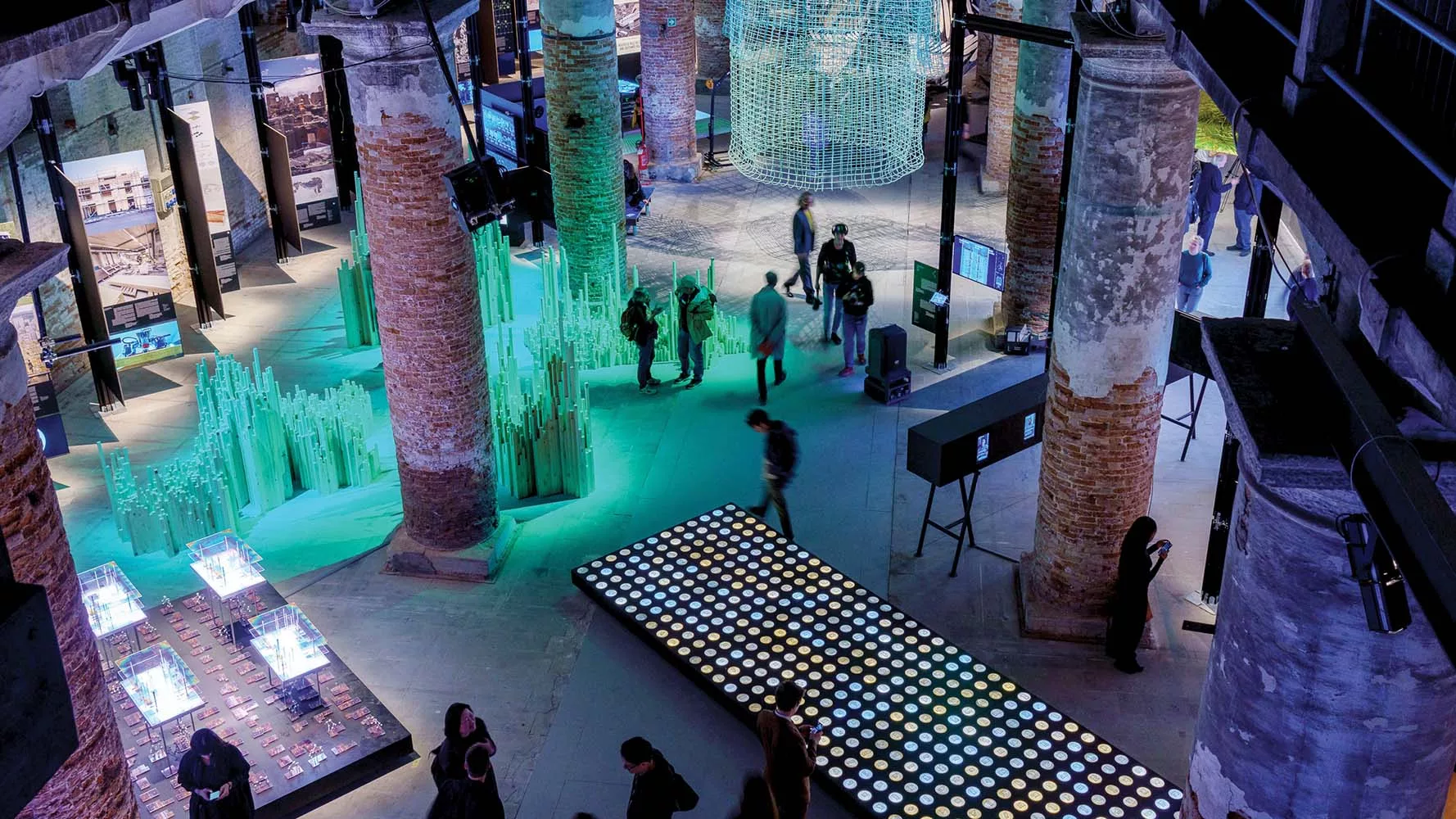
Carlo Ratti – "This certainly won't be the tech bro biennale"
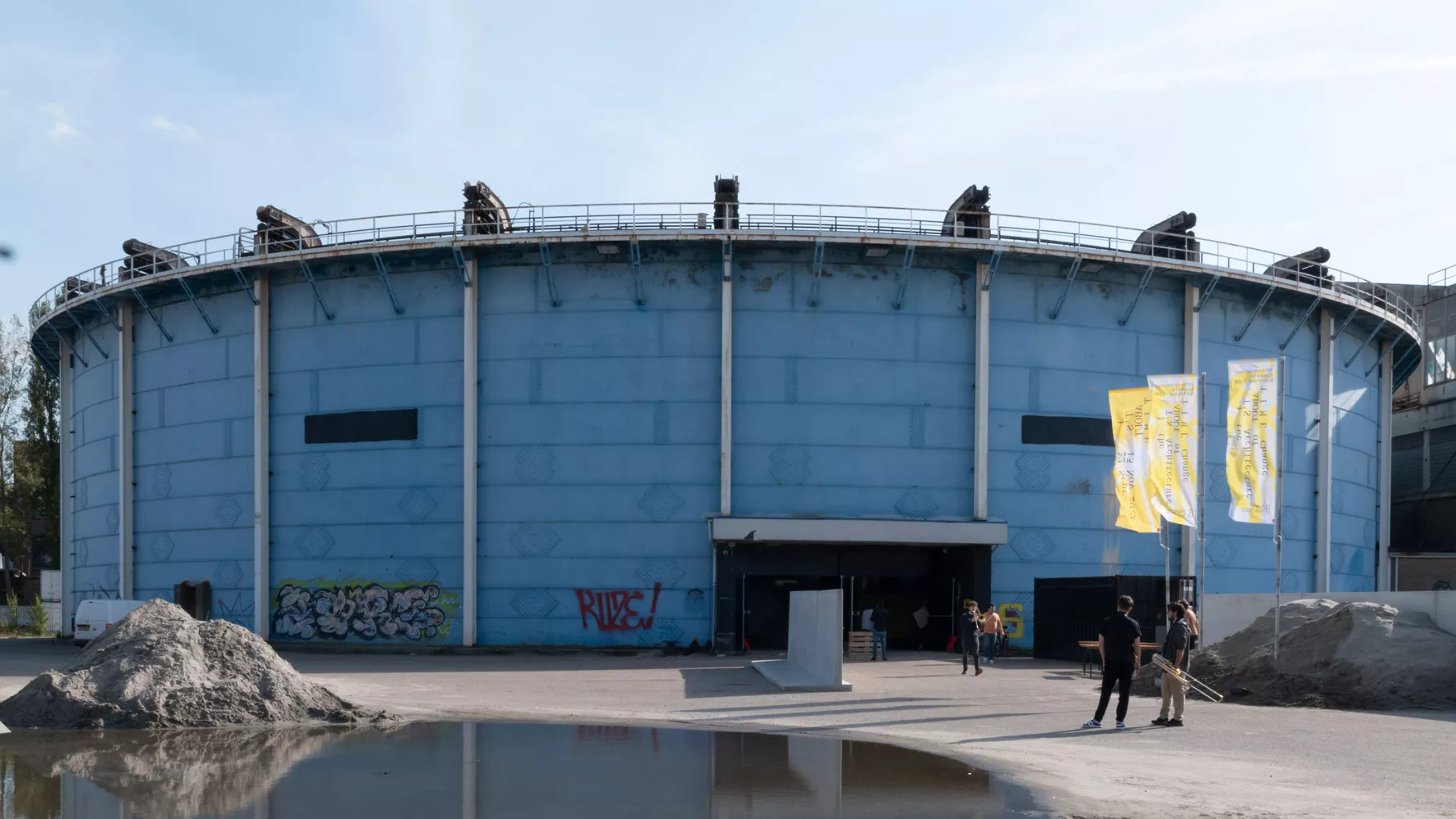
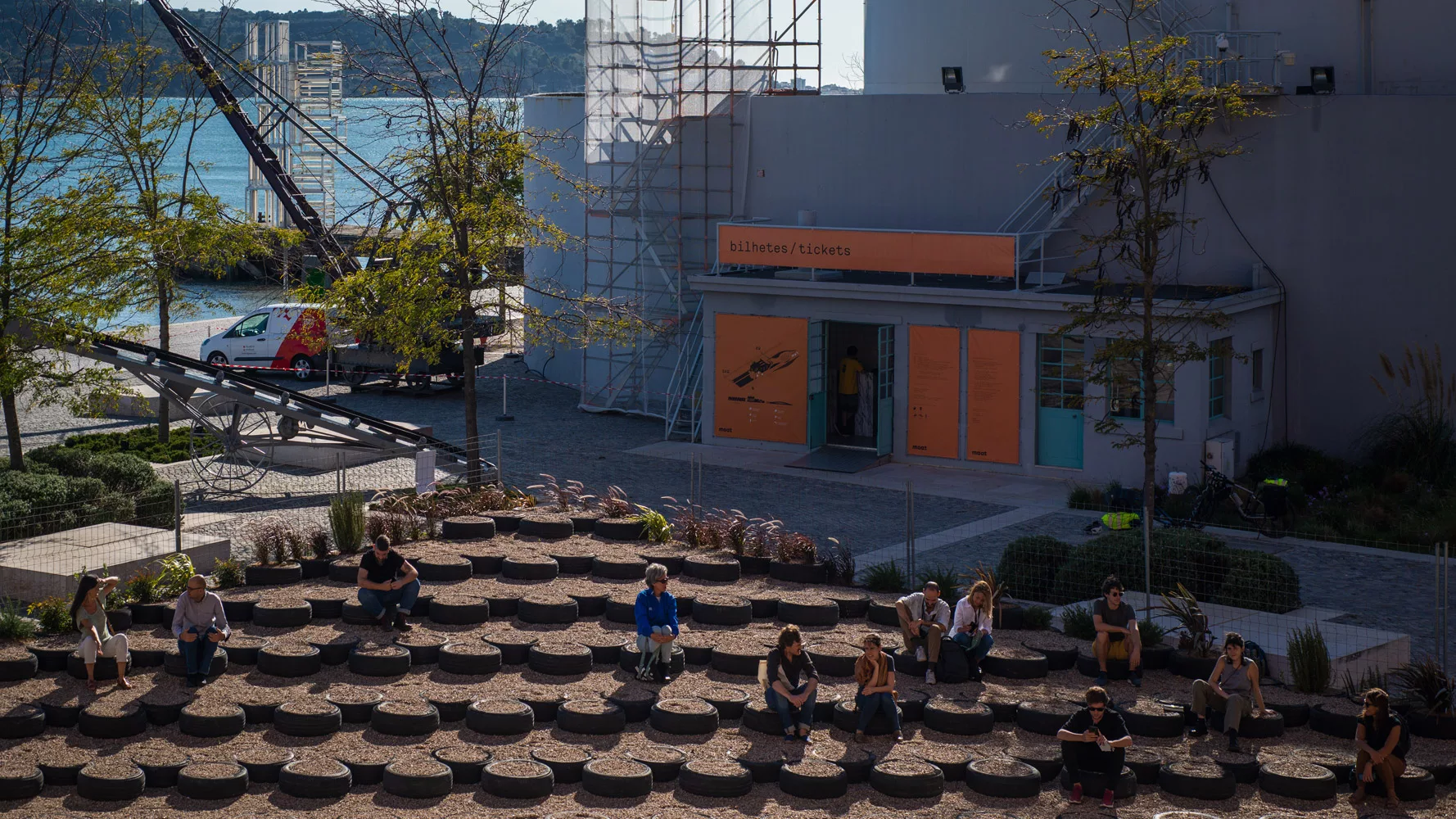
Ahead of this year's Venice Architecture Biennale, we spoke to Italian architect Carlo Ratti about his aims for the world's most important architecture festival.
Ratti told Dezeen that he wanted people and climate, not technology, to be at the centre of biennale.
"I would say this is a people-focused biennale, because, no doubt, the climate is one of the biggest challenges we all face as people," he said.

Samuel Ross – Design industry is "sustaining mediocrity"
In London, we spoke to London Design Biennale artistic director Samuel Ross, who said that design needs to become more political.
According to Ross, the biennale was an opportunity to step up to become "a custodian for design in the UK" and fight back against the "over-homogenisation" of the country's once-thriving design industry.
"There is a need and urgency for design to reassert itself in this country," said Ross.
"I always have this frustration with the capacity and capability of the sector," he told Dezeen. "At times, I feel it can be a little bit too close to sustaining mediocrity and not enough risk involved."

Faye Toogood – "The way we're designing and manufacturing is broken"
This year's Stockholm Furniture Fair guest of honour was British designer Faye Toogood, who told Dezeen ahead of the event that the manufacturing industry was broken.
"It's the squeeze on the economy that's making everybody look at this problem, but it's a systemic problem that we need to deal with from a sustainability point of view. I don't think we all know what the answers are, but we have to look at it," she told Dezeen.
The post Ten must-read design and architecture interviews of 2025 appeared first on Dezeen.