










"Car design is increasingly about mood, not mechanics"


Automotive brands are seeking to emphasise their design credentials, providing a clue about where car design is heading, writes Liv Taylor.
There's a lot of incredible design and engineering in cars. But the spectacle has moved from the engine to the image: the car itself is now framed more as a design object than a machine.
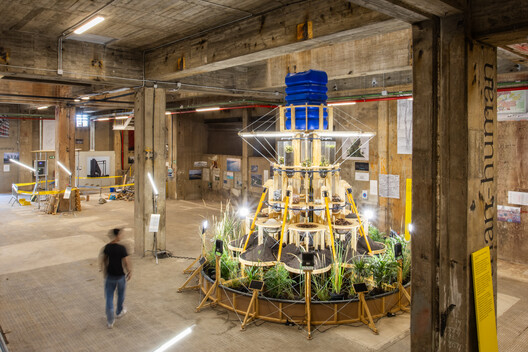
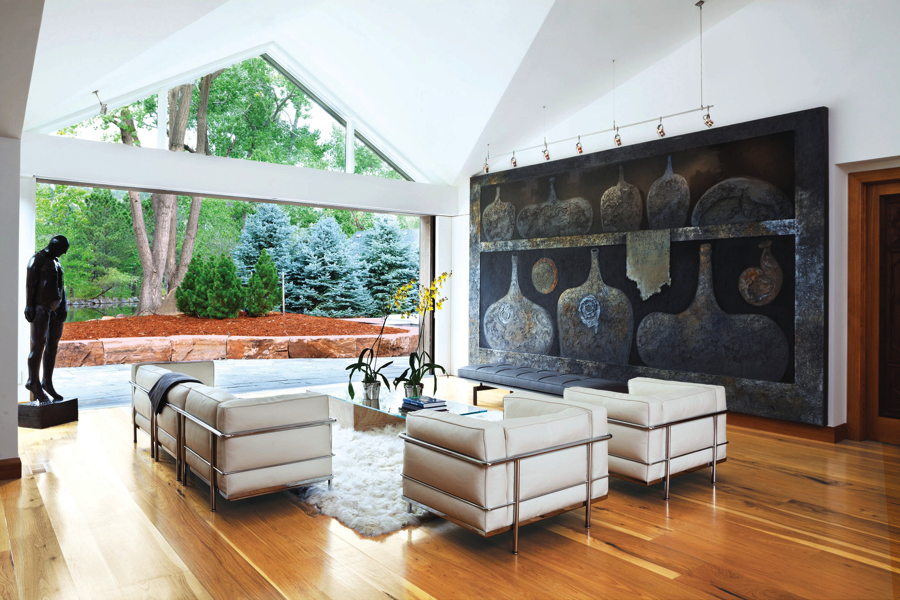
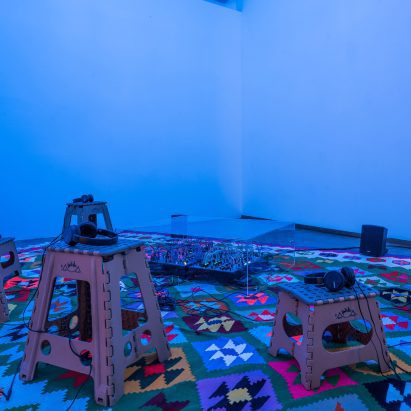
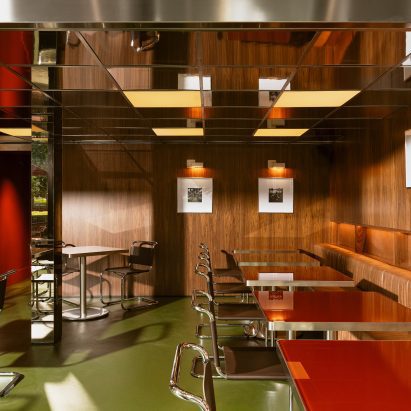
Bentley's kitsch homewares in Milan. Jaguar at an art show in Miami. Range Rovers nestled between mid-century armchairs (pictured top). Fashion influencers capturing the latest Volvo with obscure angles and strange lighting. An ominous Tesla techno diner.
By styling themselves like fashion houses or furniture studios, they are simply borrowing the marketing language of design
The chrome and horsepower of the showroom have been replaced with terrazzo plinths, oat-milk flat whites and conceptual projections. These brands are talking about design, but the automobile itself is almost incidental. It's the aesthetics of our 21st-century notion of good design enveloping a vehicle, rather than the car being the centre of the conversation.
But it's not surprising. Marketing is changing, and car brands are joining the party, if a little late, with curated hors d'oeuvres and artist collaborations ready to be snapped and shared.
By styling themselves like fashion houses or furniture studios, they are simply borrowing the marketing language of design as currency to connect with contemporary audiences, no differently from skincare or pet brands.
This performance of taste can feel generic – a guessing game, as if auto brands are decorating the room before they've spent time thinking about who they've invited to the party. But there may be something deeper in it, too.
The "car-ness" of cars – the romance of the drive, the marvel of the engineering – is fading in relevance, especially for younger consumers who won't need to learn how to change a spark plug, or even fill up a tank of petrol.
As electric vehicles simplify and streamline, they've begun to mirror other sealed tech products that simply work, their mechanical romance replaced by smooth UX and brand storytelling. The bent-steel grille that once hinted at a radiator and racing pedigree is now a decorative outline; wood, chrome, and leather choices morph into screens that sync with the rest of our lives rather than drive us away from them.
The traditional selling points of power, performance and precision no longer land
For a generation that moves through cities by tapping an app, summoning an Uber, unlocking a Zipcar, hopping on a Lime bike, the car has become less an aspiration than a utility. Ownership feels perhaps unnecessary, especially when the few young people able to afford the latest models mostly live in cities already rich with mobility options.
All that means the traditional selling points of power, performance and precision no longer land. Instead, the appeal has shifted towards identity and aesthetic – the vibe of belonging to a certain heritage or design language.
Audiences today are highly attuned to the credibility of design language, whether truly confident in their own taste or simply echoing the online spaces that praise or cancel brands for the wrong move. In this climate, it's easier to gamble on a marketing stunt than on a whole new vehicle design language. So brands seek cultural cachet elsewhere, aligning with fashion, architecture or art to project the spirit of innovation they might not be willing to risk in the car itself.
Nostalgia is also still driving the conversation in the car world. The Mini, the Fiat 500, the Mustang – all trade on memory, preserving visual DNA while updating the mechanics.
Perhaps reworking icons is safer than inventing new ones, and the industry's conservatism has dulled appetite for the kind of risk that once produced the original Mini. But nostalgia also draws our attention to design details – looking back to revere boxy silhouettes and geometric interiors of a 1970s Lancia, we suddenly see the design decisions in cars, and how their aesthetic connects to our cultural memory.
Of course car design is increasingly about mood, not mechanics. It's a sign of our times: we choose our technology as we choose our shoes or our sofas – on how they look, how they make us feel, what they say about us. It's about signifying a lifestyle, not showing the skill that went into shaping the bodywork or balancing the ride.
The next great car design stories won't be told in wind tunnels or on racetracks
I wonder if eventually our conversation about car design will shift entirely away from the parts and the performance towards the atmosphere they create. Because the best design, I think, is that which is seamless, invisible and integrated into how we live.
In a future where cars might be driverless and appear at the click of a button, why wouldn't we be taking selfies in them, pouring drinks, catching up on culture, just as we do at those overpriced brand activations that launch them today?
Like the technology in our pockets, cars will be valued for what they connect us to, and how we feel when we do it. Do you choose the sumptuous luxury of a heritage brand, or the tech-enabled efficiency of an emerging disruptor?
The next great car design stories won't be told in wind tunnels or on racetracks, but perhaps rightfully in the language of interiors, hospitality and fashion. You won't just lust after a car for the way its rear lights echo the golden age of touring, but for how the cabin lighting sets the tone for an evening out. The dashboard won't win awards for technical ingenuity, but for the way it steadies your coffee, softens the sound or hides the mess of cables that run our lives.
Design-led thinking is about connecting to what it feels like to be human, perhaps more than just the technical prowess under the hood. Perhaps we're entering an era where the car becomes an accessory in the truest sense – part of a wider set of lifestyle decisions, no more (and no less) significant than the chair you work from or the headphones you pound the streets with.
That's not necessarily a loss for the conversation around design, it just means the car's role has changed. The question is whether the car fanatics are ready to admit that the steering wheel is no longer at the centre of the story.
Liv Taylor is a creative strategist and cultural researcher based in London.
The photo is by Pietro Cocco.
Dezeen In Depth
If you enjoy reading Dezeen's interviews, opinions and features, subscribe to Dezeen In Depth. Sent on the last Friday of each month, this newsletter provides a single place to read about the design and architecture stories behind the headlines.
The post "Car design is increasingly about mood, not mechanics" appeared first on Dezeen.